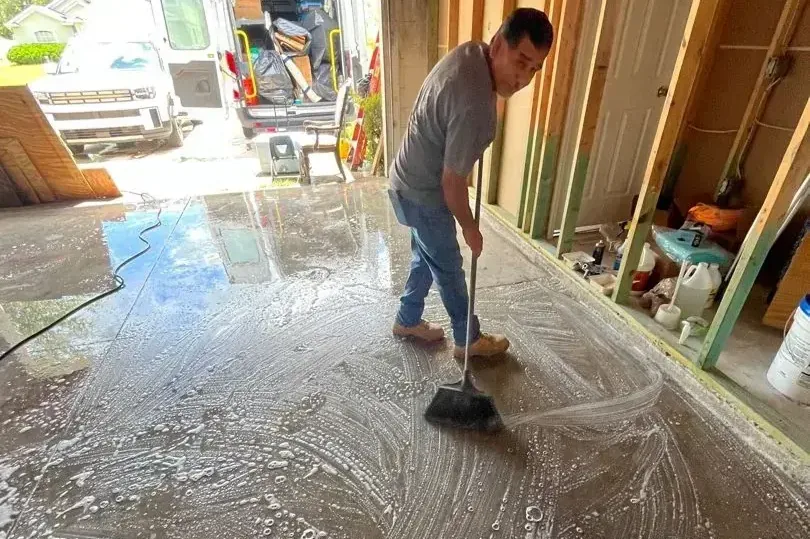
Fletcher lies in the French Broad River Valley, with Cane Creek and its tributaries shaping the natural landscape. When outside water enters a home, the property needs an indoor cleanup assessment and a separate account of the exterior conditions. The town offers a Stormwater Off-Right-Of-Way Grant Program for stormwater problems on private property. A well organized photo file helps the owner discuss outdoor followup while the restoration team evaluates the affected rooms.
Key takeaways
- Keep occupants outside the affected area until safe access and cleanup needs are assessed.
- Photograph the exterior water path from a safe position and preserve the original dates.
- Record wet contents and building materials by room before their positions change.
- Keep municipal program questions and the interior restoration scope in separate records.
Give the first report an indoor and outdoor description
The initial report can identify the opening where water was observed and the room it reached. The owner should describe visible conditions from an accessible dry position.
Water at a doorway, wet flooring and displaced belongings are useful observations when the restoration contact is planning entry and determining what needs professional assessment.
The exterior description can name recognizable features of the property and the direction of visible movement. Photographs should retain their original dates so later viewers can follow the changing conditions.
A wide image and a closer view together are useful when an exterior contractor needs to connect a particular entry point with the surrounding area.
A storm water cleanup assessment should include the materials contacted by the incoming water and the condition of the work area. The property contact can also provide any source investigation already arranged.
This helps coordinate the immediate building work with a separate assessment of the exterior drainage problem.
- Name the first affected room and observed entry opening.
- Keep outdoor photographs in their original sequence.
- Describe visible movement using fixed property features.
- Report access concerns before anyone enters the wet area.
Prepare useful questions for the town
The private property stormwater program gives an owner a specific municipal subject to ask about. The inquiry can include the location of the problem, photographs of the observed water path and a brief description of the affected property.
The town can explain the current program process and the information needed for an application or assessment.
The owner should preserve the town's response alongside the exterior records. Any request for additional photographs, a site description or contractor information can become an item in the followup list.
Keeping that correspondence together helps the household manage the administrative work while the interior restoration project develops on its own schedule.
The indoor contractor needs a clear description of the cleanup scope regardless of how the exterior inquiry progresses. The owner can ask each contractor to identify the work included in the proposal and the condition that must be addressed before it begins.
This keeps decisions about damaged finishes connected to the actual building assessment.
Keep flood hazard questions with the planning contact
The town participates in the National Flood Insurance Program and directs owners to the North Carolina Flood Risk Information System for flood hazard information. Planning staff helps with questions about designated flood hazard areas.
The property contact can prepare a separate set of questions about the parcel and retain the response with the exterior documentation.
During Hurricane Helene in September 2024, the French Broad River here exceeded its previous peak after Frances in 2004. That dated event belongs to the area's flood history.
A current household record should identify the conditions observed at the building, including the entry point, wet rooms and professional findings from the new assessment.
The cleanup inventory can develop while the planning questions are being addressed. Accessible liquid removal through water extraction should be documented with the affected surfaces and contents.
The owner then has a clear account of what occurred inside, available alongside the separate parcel information and exterior contractor notes.
- Direct parcel hazard questions to the town's planning contact.
- Save the planning response with the property identification.
- Keep dated storm history separate from current room observations.
- Retain extraction records with the inventory of affected contents.
Build an inventory before the room changes
The contents record should identify the item, its room and the visible contact with incoming water. Photographs from a safe location can show original positions before the cleanup crew moves belongings.
The restoration contractor can explain how items will be evaluated and where relocated contents will remain while the room is treated.
Building materials should receive their own entries. Floor coverings, wall bases and fixed cabinets can have different treatment needs after inspection.
A proposal that names each component helps the owner understand the scope and compare it with the photographs, especially when the affected area crosses a doorway into another room.
The work record should also account for access needed behind or beneath fixed features. The contractor can identify which areas have been inspected and where further access is proposed.
That explanation helps the homeowner follow the project as the visible wet room becomes a work area with some surfaces exposed and others retained.
Follow retained materials through cleaning and drying
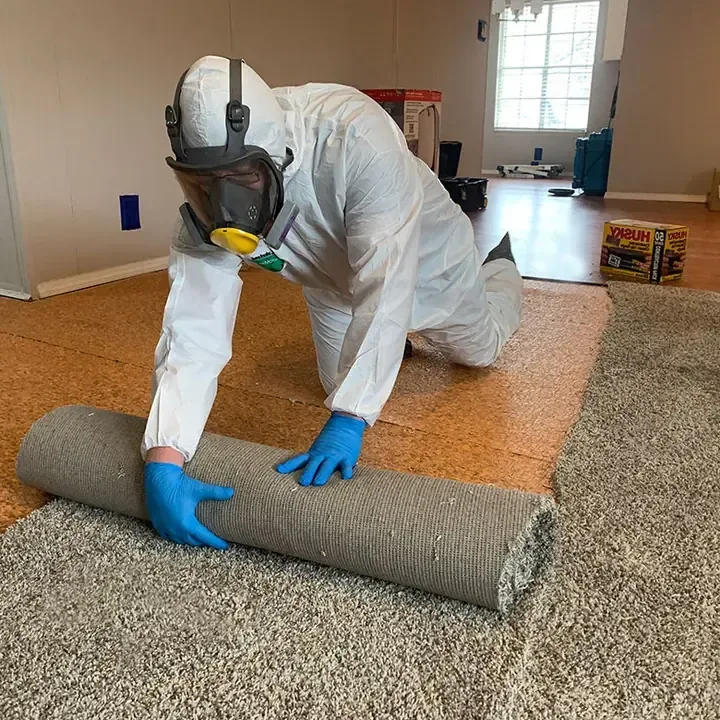
The contractor should explain the cleaning and material decisions before the owner focuses on equipment removal. The record needs to show which surfaces remain and which components were removed during the work.
That information gives the next inspection a defined set of materials to evaluate and helps the owner track progress through the project.
The structural drying report can connect measured locations to the room inventory. Consistent labels make it possible to follow an affected wall base or retained floor area from the initial assessment to the final visit.
An explanation of equipment adjustments should accompany the measurements when the setup changes.
The property contact can ask how exterior work will interact with the indoor drying arrangement. A drainage contractor may need an access route also used by restoration equipment.
Discussing that overlap before visits occur helps preserve the agreed work area and gives each trade a current account of conditions at the building.
- Match retained surfaces to entries in the room inventory.
- Ask for an explanation when drying equipment is repositioned.
- Coordinate exterior contractor access with the indoor work route.
- Keep cleaning, removal and drying records together by room.
Maintain separate followup lists until work closes
The exterior list can hold municipal questions, drainage findings and proposed source corrections. The interior list can hold contents decisions, remaining finish repairs and the completed material assessment.
Both belong in the property file, with the person responsible for the next action identified clearly beside each unfinished item.
At the interior walkthrough, compare the original contents list with the belongings ready to return. The floor, wall bases and fixed cabinets should each have a clear status.
A remaining finish repair needs a named trade and an agreed access arrangement before stored items are moved back into that space.
Keep Fletcher correspondence with the exterior drainage notes, then place the indoor room assessment beside the cleanup invoice. Followup remains easier when each unfinished task has a specific location and responsible contact.
A request for an exterior photograph should stay distinct from a contractor’s need to inspect a retained wall base.
Questions
What should accompany a private stormwater inquiry?
A concise property description and dated exterior photographs can explain the observed problem. The town can identify the current program steps and any additional information it needs to evaluate the inquiry.
Where can parcel flood hazard questions be directed?
Town planning staff assists with designated flood hazard questions, and the town points owners to the North Carolina Flood Risk Information System. The response should be retained with the specific property information used for the inquiry.
How should wet belongings be recorded?
The inventory should name the item, its original room and the observed water contact. Images showing placement help the contractor explain relocation and treatment decisions as cleanup changes the room.
What helps coordinate exterior and interior contractors?
A shared description of access routes and current work conditions lets each trade prepare for its visit. The owner should also identify the separate source correction and finish repair tasks that remain open after drying.