Hominy Valley, North CarolinaWater emergencies, 24/7ZIP 28715
Retained material recovery ยท Asheville, NC

Structural Drying in Asheville

A room can look ready while framing and floor layers still hold moisture. Structural drying turns those hidden conditions into a measured plan, with access, equipment and progress checks linked to the materials remaining in place.

(888) 578-4720Assess the remaining moisture in the building
Material readings Accessible drying paths Progress based adjustments
Air movers and an LGR dehumidifier positioned inside a room
Starting conditionSource controlled and water removed
Drying targetSuitable retained building layers
Progress signalMaterial measurements over time
Adjustment basisAccess and moisture response
Immediate precautions

First steps for structural drying in Asheville

  1. 1

    Describe the completed source work

    State whether the leak, appliance failure or entry route has been addressed. Continuing moisture entry changes the scope before drying equipment is selected for the retained materials.

  2. 2

    List materials already removed

    Describe removed finishes and exposed layers. Photographs help distinguish accessible retained structure from materials still scheduled for replacement.

  3. 3

    Keep equipment paths available

    Stored belongings and closed doors can interfere with the planned arrangement. Follow the established room layout and avoid relocating equipment without discussing how the change affects the drying area.

  4. 4

    Preserve access for progress checks

    Measurement locations should remain reachable during the work. The drying record depends on comparing material conditions, particularly in cavities or layered floors that may appear dry from the occupied room.

Planning the scope

What does structural drying cost in Asheville, NC?

Structural drying costs in Asheville depend on the quantity of retained wet material, access to concealed layers and the equipment arrangement needed. Progress measurements can reveal additional openings or adjustments that affect the scope after the initial setup.

Limited retained assembly

$1,000 to $2,500
  • Focused material checks
  • Accessible drying surfaces
  • Small equipment arrangement

Several connected wet rooms

$2,500 to $8,000
  • Multiple measurement locations
  • Broader airflow planning
  • Connected assembly access

Dense or concealed materials

$8,000 to $18,000+
  • Complex moisture pathways
  • Targeted cavity exposure
  • Detailed progress assessment

These typical planning ranges depend on the water category, affected area, material class and delay before drying. The water damage cost calculator gives an estimate only; inspection sets the actual scope.

Inside the building

Drying equipment has a purpose only when it can affect the wet materials that remain. An Asheville structural drying plan starts with the source status, extraction work and the assembly itself. Painted drywall, enclosed framing and layered flooring respond differently, so the useful question is which wet surfaces are accessible and how their condition will be checked.

A dry-looking room can contain wet layers behind its finishes. Request a measured assessment of retained materials and the access needed to bring them into the drying plan.

(888) 578-4720Discuss the remaining material moisture

Prepare the assembly for a drying attempt

Hurricane Helene caused catastrophic flooding of the French Broad and Swannanoa rivers in September 2024. Buildings exposed to outside water need contamination and cleaning decisions before retention is selected. A drying plan then concentrates on suitable materials, with compromised layers removed where necessary to expose the structure that can remain.

  • Identify the material being measured and its position within the wet assembly.
  • Keep necessary inspection points accessible rather than hiding them behind stored contents.
  • Separate cleaning requirements from the equipment plan for retained wet surfaces.

Measure places that answer useful questions

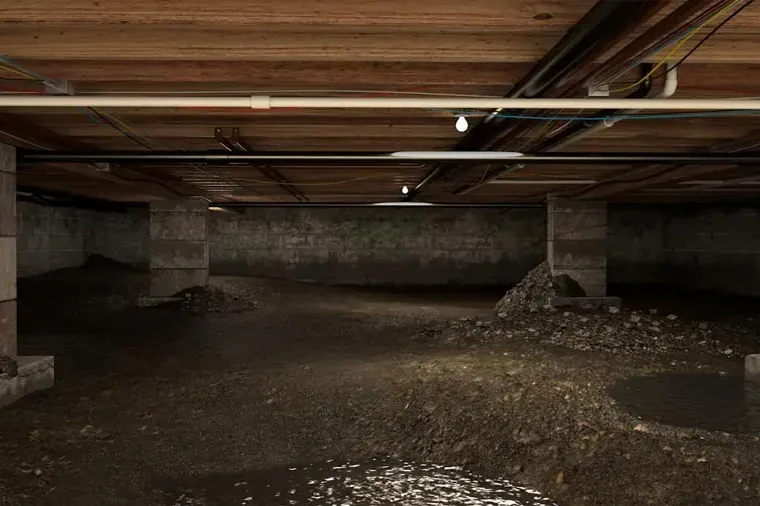
At a Norwood Park property, readings along a wall base can help track concealed spread. In Grove Park, an accessible floor underside may clarify a layered assembly. A Haw Creek loss may need checks across connected rooms. The building layout determines useful measurement locations and whether further opening will improve access.

  • Compare repeat measurements at recorded locations to evaluate the drying response.
  • Inspect blocked airflow and concealed pockets when a section stops improving.
  • Adjust equipment to the remaining wet material rather than the original puddle.

Make completion a material decision

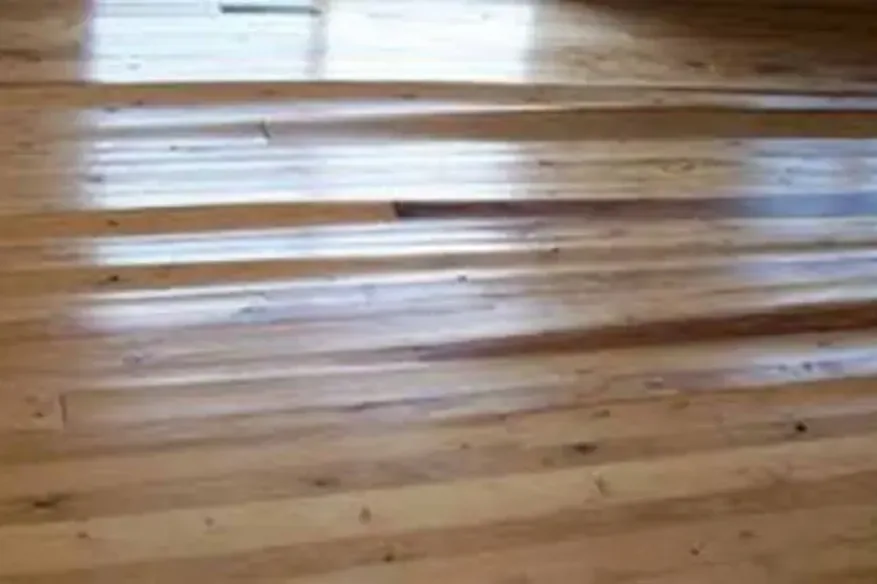
Water extraction removes accumulated liquid before this stage. Where wood flooring is involved, hardwood damage assessment adds movement and finish condition to the assessment. Drying documentation should identify what was retained, the measurements used and any areas still requiring repair access. Equipment removal and cavity closure follow that assessment rather than a preset appearance based judgment.

Measured progress

How structural drying proceeds in Asheville

  1. 1

    Set a measured baseline

    Initial readings identify materials and wet boundaries to follow. Accessible reference locations and source status provide context for interpreting subsequent measurements at the recorded points.

  2. 2

    Arrange equipment around the assembly

    Arrange air movement and moisture removal around retained layers, accounting for openings, connected rooms and obstructions that restrict drying access.

  3. 3

    Assess response and adjust access

    Repeat checks identify improving locations and areas retaining moisture. Equipment changes or additional controlled openings are considered when the current arrangement cannot reach the wet layer or sustain progress.

  4. 4

    Document the material handoff

    The closing assessment documents material condition and the basis for ending drying. Repair trades receive details of exposed areas, removed finishes and unresolved access needs before rebuilding.

Practical answers

Structural Drying questions

Is a dry surface enough to finish?

The accessible face may differ from layers behind or beneath it. A drying assessment uses material measurements and the assembly's condition to evaluate retained moisture before equipment is removed or repair openings are closed.

Why are readings taken repeatedly?

Repeat measurements show whether selected locations are responding to the plan. They help identify blocked access, continuing entry or a wet layer that requires a different arrangement instead of simply leaving equipment unchanged.

Can drying begin before contamination cleanup?

Materials exposed to contamination need cleaning and retention decisions first. Drying equipment should support suitable remaining assemblies after that preparation, with compromised porous layers handled according to the condition of the loss.

Should occupants move the drying equipment?

Equipment placement relates to the wet materials and available airflow paths. Changes can affect the plan, so access or comfort concerns should be discussed before equipment is moved, disconnected or blocked by belongings.

Why might another opening be needed?

A concealed pocket can remain inaccessible even while the room becomes drier. Additional controlled access may allow inspection and drying of that layer, with the reason documented before more finish material is removed.

What record supports the repair handoff?

Material locations, progress readings and the condition of retained assemblies help explain completion. The handoff should also identify removed finishes and remaining repairs so new work does not cover an unresolved wet section.

Service area

Structural drying coverage

Drying assessments can include Norwood Park, Grove Park and Haw Creek. A useful request describes the water source, materials already removed and any measurements available, with access restrictions noted before equipment placement is planned inside.

The same service nearby: structural drying in Candler, Woodfin, Fletcher.

Water damage restoration in Asheville · every town covered

24/7 water loss assistance

Connect drying equipment to a documented material outcome

A clear plan records what stays, where it is measured and how equipment or access changes respond to the assembly before repair work closes the affected area again.

Buncombe County service area
Wet rooms need a drying plan(888) 578-4720